Systems | Development | Analytics | API | Testing

Building an AI-Powered CDSS for Hospitals: Architecture, Models, and Compliance

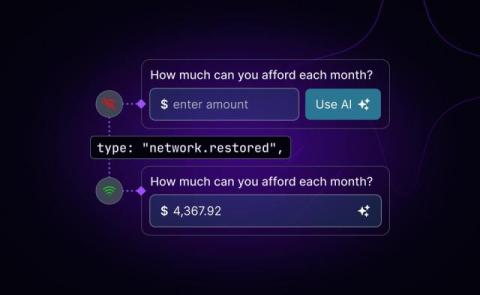
A clinically accurate AI model can still fail inside a hospital. Not because the prediction was wrong. Because the system could not fit the reality of clinical care. The recommendation may arrive too late. The alert may interrupt the wrong workflow. The model may lack explainability. Compliance teams may block deployment before production even begins. That is where many AI-powered CDSS initiatives break down. Hospitals already struggle with alert fatigue from traditional CDS systems.

The Hidden Tax of DIY: Why using in-house devices slows your ship cycles

Think building your own mobile device lab is the smart move? It starts that way — but the real costs are hiding in plain sight. In this webinar, Diego Molina (Senior Field Solutions Engineer & Selenium Project Lead at Sauce Labs) walks through his firsthand experience building and eventually outgrowing a DIY mobile testing infrastructure — and breaks down the hidden maintenance loop that quietly drains engineering time, budget, and focus.

Set the Foundation for Trusted AI and Data with Snowflake AI Security

Safely deploy autonomous workflows and agents across your organization in minutes instead of months with Snowflake AI Security. Discover how to new features like use Agent Identity, Data Movement Policies, and the Snowflake Trust Center to effortlessly block data exfiltration, enforce runtime masking, and neutralize threats before they execute.

Controlled Rollouts in React Native: How to Push OTA Updates Without Breaking Production

The ability to push an update directly to your users’ devices without App Store review, without delay, without any action required from the user, is one of the most powerful capabilities available to a React Native team. Over-the-air (OTA) updates change how fast you can respond to bugs, iterate on features, and ship improvements. But that power cuts both ways. A bad OTA update reaching 100% of your users at once is considerably worse than a bad store release.

Data Debt in PropTech: How to Measure the Cost of Bad, Stale, and Fragmented Data

Data issues in real estate platforms rarely show up as a single failure — they surface as mismatched listings, inconsistent ownership records, and unreliable valuation inputs across systems. What’s often harder is translating those challahges into something measurable and tied to business impact. This guide focuses on that gap — how to quantify data quality issues, connect them to revenue and churn, and build a BI layer that makes data debt visible in product and engineering decisions.

What is UAT? A Complete Guide to User Acceptance Testing

UAT, or user acceptance testing, is the final phase of software testing where real users or business stakeholders verify that a product meets business requirements and works as expected before release. For example, imagine you’re testing a user registration page on a website to make sure new users can set up their account easily. A UAT scenario might confirm that users can: That’s user acceptance testing in action: validating that a real user can complete an important workflow successfully.

Best 7 Software Engineering Platforms for 2026

Software engineering teams are operating in environments that look very different from just a few years ago. Modern development workflows now span Kubernetes clusters, cloud infrastructure, CI/CD pipelines, AI-assisted coding, distributed architectures, internal developer portals, observability platforms, and dozens of engineering tools that all need to work together without slowing delivery velocity.