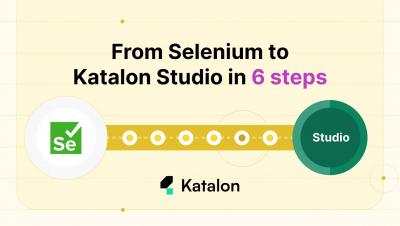
[TUTORIAL] How to import Selenium tests to Katalon
This video will show how you can move your Selenium projects to Katalon Studio – better test automation, no legacy scripts wasted.


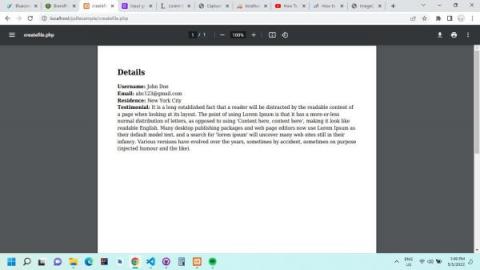
PDF files are foundational for sharing documents across platforms. In this article, learn how to generate PDF files in PHP.
The PHP E_NOTICE constant refers to run-time notices. Notices indicate that the script encountered something that could indicate an error, but could also happen in the normal course of running a script.
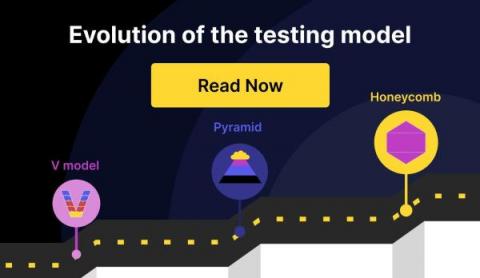
When testing debuted in the software development world, it was quickly relegated to a position at the end of the long and expensive waterfall cycle. This afterthought status belied the importance of testing in the software development life cycle, and it was also risky. If things went awry in the testing stage, everything could fall apart, resulting in delivery delays and costly, labor-intensive repairs.
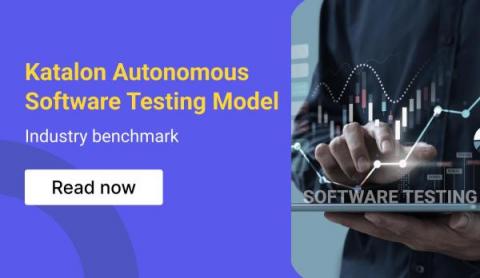
We've been thinking long and hard about software testing and automation here at Katalon. We've noticed a shift in the Software Testing industry from Test Automation to Autonomous Software Testing (AUST). By "autonomous," we mean software testing that is completely driven by Artificial Intelligence (AI) and Machine Learning (ML), without any human intervention.
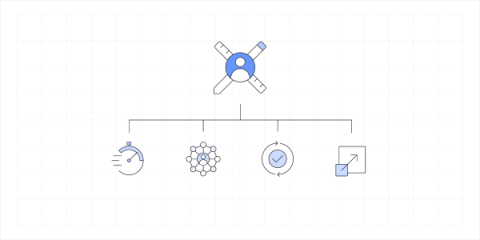
Learn how Fivetran solution architects are supporting customers with implementing robust and scalable data platforms.
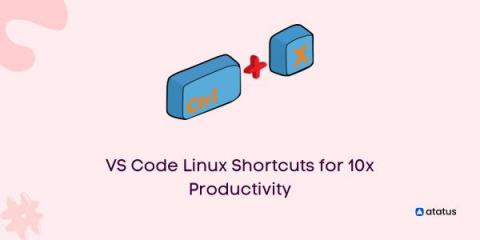
It is possible to become more efficacious and proficient with any tool when you know how to use shortcuts. Consider this for a moment. Do you think it is okay if someone repeatedly selects text by dragging through the mouse and selecting the cut option from the menu for once instead of pressing Ctrl+X? or by holding down the mouse button to copy the entire text instead of pressing Ctrl+A? There is no exception to this rule when it comes to Linux shortcuts.
Full-stack observability is a critical requirement for effective modern data platforms to deliver the agile, flexible, and cost-effective environment organizations are looking for. For analytic applications to properly leverage a hybrid, multi-cloud ecosystem to support modern data architectures, data observability has become even more important. I spoke to Mark Ramsey of Ramsey International (RI) to dive deeper into that last subject.
Learn about what's new in WebdriverIO v8. The primary goal for the new version of WebdriverIO was to transition from CommonJS to ESM in order to continue with important dependency updates and avoid security issues. Furthermore, we cleaned up some code, implemented a new Action API interface and streamlined the way WebdriverIO deals with global objects using the test runner.