Systems | Development | Analytics | API | Testing

Reporting for Oracle Enterprise Bundle Flyover

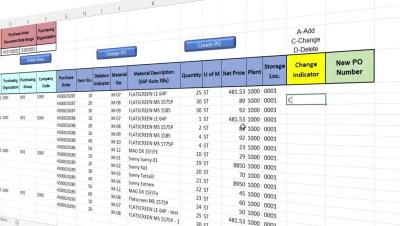
Oracle users like you crave insights, but those intricate schemas and countless table joins stand in your way. BI tools like Power BI or Tableau offer the perfect platform to build dashboards and reports, but wrestling with technical jargon to access data slows you down. Imagine a world where that data becomes readily available. insightsoftware Reporting for Oracle makes it easy for users to analyze, report on, and share data from Oracle ERP.

Achieving Success in Pharmaceutical Commercialization

For life sciences organizations, the key to success is the ability to bring the highest quality products to market quickly and cost-effectively. However, the commercialization process is filled with hurdles that hinder time to market, such as complex regulatory requirements and managing cross-functional collaboration. These challenges require a strategic and well-coordinated approach for successful commercialization.

Managing Alert Fatigue in Software Testing

In the last decade, we've leaned heavily on VC-backed tools like @Sumo Logic and @Splunk to help us sift through endless data and logs. These tools are invaluable, but now we're drowning in data, making it tough to focus on what truly matters. This challenge is no different in software testing. Here, many face the dilemma of running thousands of tests nightly with hundreds failing. It’s a sea of alerts and noise, leaving us questioning what we're actually testing.

What Is an EDI translation? An Ultimate Guide for 2024

Imagine a multinational business that deals with multiple suppliers and customers scattered across the globe, each with their own systems and processes. How does it ensure smooth communication and transactions with its business partners? The answer is Electronic Data Interchange (EDI), a standardized method for exchanging electronic documents between businesses.

How Digital Innovation is Shaping the Future of Business Operations

Digital innovation is more than just a buzzword-it's the driving force behind the future of business. Whether it's automating routine tasks or using cloud computing to manage data, these tools are transforming how businesses operate. But where do you start? The thought of implementing new technology can feel overwhelming, especially if you're juggling day-to-day tasks. The good news? It doesn't have to be.

Seasonal Holiday Readiness Testing with Production Traffic

Many businesses depend on seasonal products, offerings, and campaigns. Seasonal traffic usually refers to high traffic levels because of festival seasons like Thanksgiving and Christmas and sales events like Black Friday, Cyber Monday, and Boxing Day. These impact a wide range of industries, such as travel, hospitality, social activities, and, most prominently, e-commerce.

From Code to Cloud: The Crucial Role of SaaS Testing

SaaS is quickly becoming one of the significant industries for business growth and a primary force that drives the development of companies in the modern world, and the market is expected to reach $462 billion by 2028. Its popularity comes from the fact that applications may be accessed via the Internet without the bother of installation or regular maintenance. It's cloud-based, doesn’t need hardware, and updates automatically, making it a game-changer for companies.

What Is Acceptance Testing

Software testing that confirms if a system or application satisfies the necessary specifications and business needs is called acceptance testing. It is usually performed at the end of the software development life cycle, after unit testing and integration testing have been completed. The main goal of acceptance testing are to : Instead of the development team, end users, business stakeholders, or customers frequently conduct acceptance testing.

The impact of AI on Test Automation frameworks

Test automation involves software tools and scripts to execute tests automatically without manual intervention, which accelerates testing cycles, enhances accuracy, and minimizes human errors. Artificial Intelligence (AI) includes machine learning, natural language processing, and computer vision. These systems simulate human intelligence, enabling machines to learn from data, make decisions, and solve problems autonomously.