AI On Snowflake

AI just got a major upgrade at! We've unveiled a suite of game-changing innovations designed to make AI on Snowflake undeniably easy, remarkably efficient, and deeply trusted. Intelligent Data Agents turning data into action Cortex AISQL supercharging SQL with AI for multimodal insights Expanded access to leading LLMs, fully governed Revolutionary ML tools to build and deploy models faster than ever.

A Guide to Reliable Files to Salesforce Integration

Salesforce remains the backbone of sales, marketing, and customer experience for enterprises around the world. Yet, for all its power, it still needs fuel: data. Often, this data lives in files—CSV exports, legacy system dumps, partner spreadsheets—waiting to be transformed and loaded into Salesforce. This guide unpacks everything technical professionals need to know about File to Salesforce integrations, especially in the context of enterprise-grade data pipelines.

CSV to Salesforce: A Comprehensive Guide for Data Teams

Importing CSV data into Salesforce is a critical operation for every data-driven organization. Whether you're onboarding new leads, syncing legacy systems, or maintaining real-time CRM updates, understanding the best practices and tooling for this process can mean the difference between operational efficiency and a CRM riddled with errors. This in-depth guide walks you through the tools, best practices, pitfalls, and automation strategies to reliably upload CSV files to Salesforce.

7 Steps to Build an AI-Powered Personalization Engine With Confluent & Databricks

The advancement and widespread availability of new artificial intelligence (AI) capabilities—through platforms like the Databricks Data Intelligence Platform and Mosaic AI—has completely reset expectations for engineering teams across every industry. Business now moves at a new pace, demanding rapid delivery of intelligent, real-time applications—instead of slowly stitched-together systems solving problems defined and scoped months prior.

Qlik Connect 2025 - Qlik's New Write Back Functionality Explained

At Qlik Connect 2025, Qlik unveiled their much-anticipated write back functionality, a welcome addition to their analytics platform, promising real-time collaboration and a streamlined data-entry experience. While this announcement marks Qlik’s entry into the world of write back capabilities, it’s clear their newly introduced functionality is designed for basic use cases.

Introducing Qlik Open Lakehouse

Qlik Open Lakehouse is a fully managed capability within Qlik Talend Cloud that makes it easy, effortless, and cost-effective for users to ingest, process, and optimize large amounts of data in Apache Iceberg. With Qlik Open Lakehouse, you can now set up a Lakehouse in your Amazon S3 environment, load data directly into Apache Iceberg tables, and optimize it continuously - all with just a few clicks.

Data Orchestration vs ETL - Complete Guide (2025)

In today's data-driven world, organizations must efficiently manage and transform their data to gain valuable insights. Data orchestration and ETL (Extract, Transform, Load) are two popular approaches to data management, each with distinct capabilities and purposes. Data orchestration manages the entire workflow of data processes across an enterprise, while ETL focuses specifically on extracting data from sources, transforming it, and loading it into destination systems.

New Hitachi EverFlex AI Data Hub as a Service Provides Seamless Data Integration for Smarter AI

Reducing cost and complexity of distributed data landscapes, Hitachi Vantara offers a modern data lakehouse solution with AI workbench capabilities to enhance data operations and speed AI innovation.

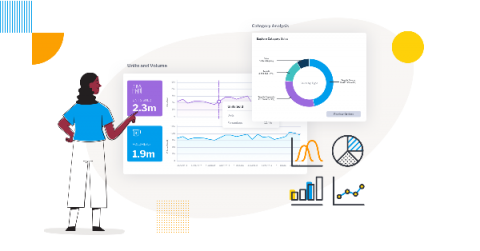
Power BI Alternative: Migrate to Yellowfin for Embedded Analytics

Microsoft Power BI has historically been the default choice for organizations looking to visualize data and generate reports. It’s a capable tool, and no one disputes that. But as businesses scale, especially those embedding analytics into their own software applications, Power BI’s limitations start to show. At some point companies feel the need to reevaluate their business intelligence (BI) strategy, not because the tools they use are "bad," but because their data needs have evolved.