Driving Value and Innovation from SAP with Qlik and Google Cloud Cortex Framework
This demo shows how Qlik and Google Cloud provide unmatched solution accelerators driving value and innovation from your SAP investment.

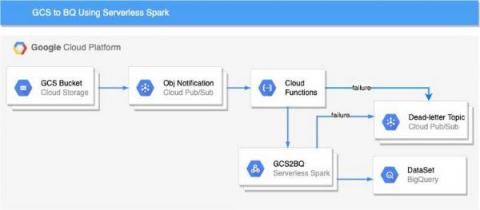
Apache Spark has become a popular platform as it can serve all of data engineering, data exploration, and machine learning use cases. However, Spark still requires the on-premises way of managing clusters and tuning infrastructure for each job.
Extract, load and transform, or ELT, is a data integration process that moves data directly from source to destination for analysts to transform as needed.
State and local governments generate and store enormous amounts of data essential to their ability to deliver citizen services. But how can they capitalize on all of their data to become engines of growth and innovation, empowering and enhancing their ability to provide services and better serve their communities?
We’re thrilled to announce Talend Data Catalog 8, our most powerful data governance solution yet. Talend Data Catalog 8 builds on our strong foundation of metadata management and data cataloging capabilities to deliver what businesses need most: healthy data. At Talend, healthy data is data that supports business objectives, and is often the missing link between business success and failure.
Born and built in the cloud as an enterprise resource planning (ERP) solution, Oracle NetSuite enables organizations to create a unified view of their business. While it generates reports on enterprise performance, the platform wasn’t built to optimize the reporting process. For accounting and finance teams especially, the challenge makes it difficult to create flexible, customized financial reports.