Systems | Development | Analytics | API | Testing

GitOps for Kong: Managing Kong Declaratively with decK and GitHub Actions

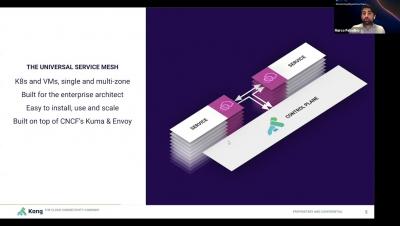
Kong’s fast, lightweight and scalable API management solution helps improve developer productivity by automating the delivery of API management. One way Kong automates API management is through a continuous integration and continuous delivery (CI/CD) process by leveraging Kong’s decK (declarative configuration for Kong) and GitHub Actions. Kong’s decK provides a command line interface (CLI) to manage Kong in a declarative way.

The Cost of Your Legacy System

Companies play smart, and they’re well aware of the disadvantages and risks of keeping legacy systems or outdated technology in their workflow. Despite that, many don’t do anything about it. Why? Because doing nothing affordable. Phasing out a legacy system that your business has relied on for over a decade is a major undertaking. Leaving it in place for as long as possible typically proves more cost-effective than immediate migration, even with potentially severe risks considered.

Kong HQ vs. DreamFactory

The rise in demand for microservices-based applications that rely on APIs for connectivity has triggered an equal rise in demand for API gateway solutions. However, API gateways differ considerably in their features and underlying technology, so it’s important to investigate your selection to ensure it fits your needs. In this guide, we take an in-depth look at Kong and DreamFactory – two of the most advanced API gateway solutions on the market.

Dear Load Balancers,

When I started my journey into Kubernetes, you were always there for me when I needed to expose a service externally. We started small with just exposing one service, and you were dependable and easy to set up. But things have changed. My application has grown, and now the cluster has 10 services that need to be exposed externally. This has made communication difficult. I wonder what will happen when we have 50 services?

7 Approaches to Legacy System Modernization

Legacy system modernization is a hot topic in business strategy right now. As the need increases for new technologies and intelligent business solutions, so too does the need for legacy system modernization. That means upgrading legacy systems, improving existing software, and otherwise bolstering operational efficiency. This article will provide a quick recap of the basics and explain how they fit into a number of legacy system modernization strategies.