WSO2 Ranked No. 5 In 'Highest-Rated Cloud-Computing Companies to Work For' List
Battery Ventures Names WSO2 Among Private Cloud Companies with Highest Levels of Self-Reported Employee Satisfaction.


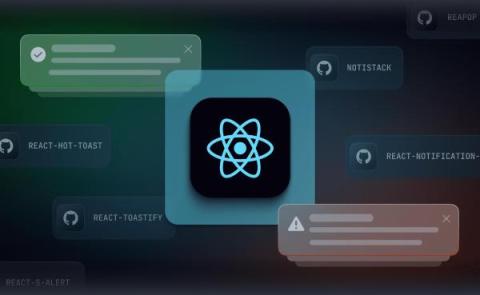
React notification libraries lay the groundwork for most notification systems in React based web applications - streamlining the process for developers to construct and display alerts effectively. There are a number of different React notification libraries available, each with its own unique features. In this article, we'll discuss some of the most popular options, and help you to choose the right one for your needs.
In this first part of a two-part series, we'll explore how to avoid bad data and validate data at the boundary of a Phoenix application. We'll use a few techniques to ensure that bad data doesn't degrade our application. In part two, we'll specifically focus on leveraging Ecto under the hood to cast data. Let's dive in!
Choreo now allows you to specify WSO2’s Micro Integrator runtime version and update level when deploying integrations. Previously, Choreo defaulted all deployments of WSO2 Micro Integrator projects to a specific runtime version and update level. With this improvement, developers can specify the exact runtime version and update level required for their integrations. This improvement simplifies the development and troubleshooting process for integration developers.
Unity is one of the top game engines used today, according to a recent survey from video game development professionals across the globe. It’s often used alongside Helix Core. In 2020, Unity acquired the version control tool Plastic SCM, which they renamed Unity Version Control. Here, you’ll learn about Unity Engine, Unity Version Control, and the key to finding the best version control system for Unity.
Some processes feel like getting teeth pulled without novocaine. Whether it’s excessive data entry, completing onboarding paperwork for HR, or crafting weekly reports, nearly all businesses have some processes that can be better designed, automated, and optimized. Streamlining these processes can help improve operational efficiency, boost the bottom line, and improve morale for business users.
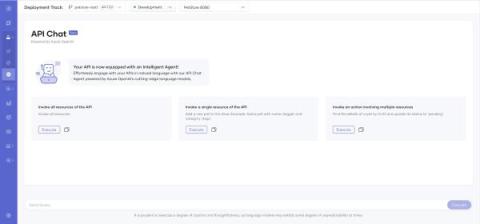
We're delighted to unveil Choreo API Chat, Choreo's innovative approach to interacting with APIs, powered by Generative Pre-trained Transformer (GPT) 3.5 large language model (LLM) from Azure OpenAI. This allows users to try out APIs running or proxied via Choreo using natural language, serving as a complementary tool to traditional methods. It offers a convenient way to quickly try out endpoints without delving deeply into API specifications or crafting intricate JSON payloads.
Choreo is an internal developer platform where you can develop, deploy, and manage your cloud native applications with minimal effort. Authentication and authorization are essential to consider when restricting access to your application. Determining the legitimacy of the consumer of your cloud application is the main purpose of authentication. Authorization guarantees that the consumer has the necessary permissions to access your applications.
What do Microsoft Word and Adobe have in common? Both had established market spaces completely disrupted by new entrants that brought realtime collaboration to the user experience. Whilst the barrier to entry for adding features akin to Figma, Google Docs, and Miro had been high, it is now possible to build new collaborative applications, or even simply add collaborative features to existing applications – without building the realtime infrastructure that powers them.