The #descendants method is part of Rails. It returns all subclasses that inherit from a given class. In this article, Jonathan Miles shows us how to use this method and how it's implemented. It's a great lesson in the ins and outs of Ruby's object model.
Last week, Perforce announced our 12th acquisition, the BlazeMeter Continuous Testing Platform – a great addition to our DevOps at Scale portfolio. I’d like to welcome the Blazemeter team to the Perforce family. Throughout our conversations leading up to the acquisition, it was clear that we were dealing with a world-class product, and a world-class team. We are excited to add both to Perforce and look forward to the things we will accomplish together.
As humans, we can keep a tab on 7 different things at the peak of our day. But when it comes to carrying out different sets of productive work, each of which needs our full attention, organizing becomes imperative. Speaking of organizing in work-related terms, although advancements in technology have offered us an array of automated tools to help out with task management, several professionals still prefer doing things the traditional way – manually.
Appian surveyed 500 senior banking and asset management executives from around the world about the drivers, challenges, and opportunities on the path to automation maturity. We classified survey respondents as either automation leaders, laggards, or part of the mainstream.
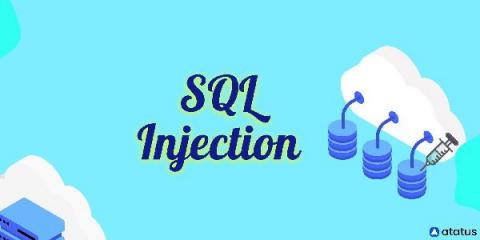
The Structured Query Language (SQL) is a Relational Database Management System (RDBMS) that is pronounced like the word "sequel." It was the first simple way to store and retrieve many sorts of data on computer systems, and it was invented in 1974. Since then, the language has grown in popularity, and it is still used in many content management systems (CMS) today, such as WordPress.