Systems | Development | Analytics | API | Testing



Regulatory Compliance in Banking: 5 Steps to Take Now
The first quarter of 2023 was quite a rollercoaster ride for the banking industry, marked by not one but two of the largest bank failures in U.S. history. As a result, regional banks took a hit as well, losing nearly $200 billion in deposits in just one week, according to the Federal Reserve. Because regional and smaller banks in the U.S. make up over a third of total bank lending, any pullback in credit provisioning could undermine financial stability and growth. The bottom line?

Pros & Cons of Using Hevo Data for Zero Code ETL
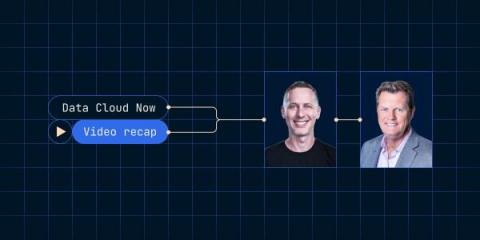
ERP data, financial efficiency and the current state of enterprise data strategy
Fivetran CEO George Fraser and Snowflake CEO Frank Slootman sat with Data Cloud Now to discuss what they’re hearing from customers in their joint interview.

What is Exploratory Testing? QA without a map
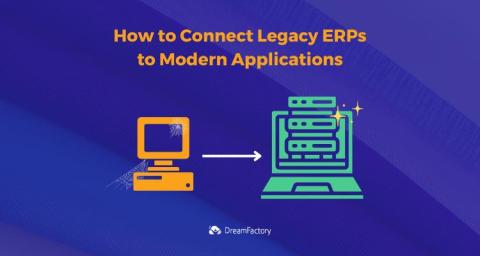
How To Connect Legacy ERPs to Modern Applications
Software Testing Jobs on 15th June | Automation Tester Vacancies | Curated Job Openings for QAs
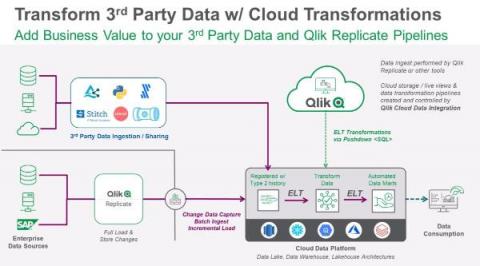
Increasing the Value of Cloud Data: Qlik Cloud Data Integration Transformation Services
Data fragmentation and the growing volume of data sources and types are putting increased focus and importance on an organization’s ability to continuously organize, transform and cost effectively deliver real-time data to its entire organization through the cloud.
Keep up with Oracle cloud updates with timely test automation
Oracle Cloud’s quarterly updates require day-one testing on staging environments to keep up with the update’s general availability, which is critical to your business’ success. Tricentis Tosca provides fast, resilient, and risk-based testing to ensure your critical end-to-end business processes will continue to work as expected after Oracle Cloud updates go live.