Systems | Development | Analytics | API | Testing

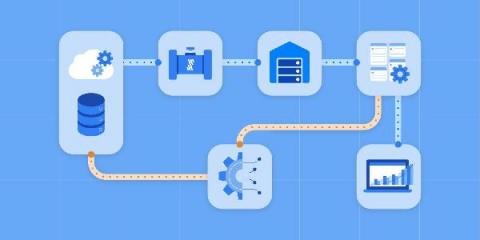
Fivetran vs Stitch Comparison

Fivetran or Stitch for automated ELT? Learn the pros & cons of each platform. October 5, 2020 We commonly hear from our customers that when they initially evaluated cloud data integration solutions, both Fivetran and Stitch came up in their cursory searches. With the Stitch's announcement of their free plan deprecation, we’ve received an influx of questions on how the two solutions differ. Below, we highlight the differences in the approaches to handling automated ELT as well as pricing.

Functional vs. Data Testing: Don't Own Your Clients' Data

Now that automated testing is common in the development world, there is a misconception that it can be used for brute force approaches to cover all your bases. This leads to business owners wanting to test every scenario with their data. This brute force approach is not only time-consuming, but it is not scalable, and can expose your company to PHI and PII issues.

Oversee code coverage reports with the Codecov Verified Step

Our team at Codecov is happy to announce that we built an official Verified Step for Bitrise. Codecov began as a project to solve one developer’s personal frustration of not being able to get a quick look at what code is tested. That was the case with Bitrise too, starting out as a tool to solve the problem of our founders. With shared values and plenty of mutual customers, we’re excited to share this official integration and help out mobile developers all around the world.

On the importance of load testing Kafka

Socrates preached, “To know thyself is the beginning of wisdom.” This ancient Greek anecdote applies to your modern Apache Kafka project: developers, go forth and load test your real-time application to understand the capacity and limitations of your project before deployment. Failure to do so will cost you time and money (e.g. Robinhood’s outage on a historic trading day). Load testing your real-time applications has three main objectives.