Systems | Development | Analytics | API | Testing

When to Automate a Process: 4 Signs and Strategic Tips

How do you know when a process needs help? Is it slow, bloated, or, worst of all, truly broken? It’s a crucial question for all leaders and teams pursuing speed and growth, to meet digital transformation goals like faster customer onboarding or faster time to market. Often, even seemingly simple business processes are more complex than we realize. Teams and individuals may develop clever workarounds to get past large and small process problems.

Quick and easy CRUD APIs

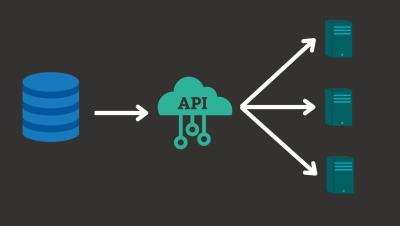
CRUD (Create, Read, Update, and Delete) is a set of operations allowing users to interact with a database simply and consistently. Creating a CRUD API allows other systems and developers to interact easily with a data store or set. By providing a simple and consistent set of operations, CRUD APIs make it easy to build, scale, and secure applications. Some benefits of a CRUD API include When developing a CRUD API, there are many options to choose from.

Connect to MySQL in minutes with low-code

MySQL is a great option if you are looking for a free and easy-to-use database. With Linx you can easily connect and interact with the data to; Interacting with a MySQL database with Linx is done via ODBC. Once the ODBC data source is set up, you can interact with the MySQL database using the built-in Database Plugin in Linx. This will allow you to run any query you can on MySQL.

Easy interactions with MS SQL Server Databases

Low-code platforms are an efficient and effective solution for accessing and managing data in a Microsoft SQL Server (MSSQL) database. Linx provides an easy way to connect to a database and interact with it in multiple ways, all while removing the need for complex coding. Linx natively allows interaction with an MSSQL database via the Database plugin. Using this plugin, you can: This functionality can be used by dragging the required function from the plugins tab onto the function you are building.

7 Hyperautomation Trends to Watch

There’s a lot of hype about hyperautomation. But it’s clear that as new automation technologies emerge, organizations that take a strategic, holistic approach to embedding them into business processes will come out ahead. So, what exactly is hyperautomation? It’s an approach to process automation that uses a combination of technologies to optimize complex business processes and augment human capabilities.

Why Automation Testing is Essential for Effective Quality Assurance

Automation testing has been gaining popularity as a reliable, scalable, and cost-effective alternative to manual testing – and rightfully so. With the right testing tools, QA teams can scale their testing processes quickly. In this article, we’ll talk more about how it works and how to get started with a tool like Ghost Inspector.

How to Scale Your Test Automation with BitBar

Software testing has evolved from an inconvenient ad-hoc process to an integral part of the software development lifecycle. However, while many teams have caught on to the benefits of test automation frameworks, some organizations have yet to scale up and expand their test coverage with cloud-based devices for integration tests.

How to Pick Process Automation Software

The pain points that drive IT and business leaders to implement process automation are clear: broken or slow business processes, automation wins that don’t scale, and data silos. All three create problems that can stop critical digital transformation work from reaching its goals. These problems not only cost time and money but also open companies up to risk and compliance trouble and employee engagement woes.

Should You Automate It? Knowing When to Build Test Automation and When to Keep It Manual

Agile teams must adapt to changing requirements and continuously ship new features. But, while automated tests are faster, they take time to set up and still need ongoing maintenance. So, how do you decide when to invest time and energy in test automation and when to use manual tests? Striking the right balance is critical to success.

Hyperautomation vs. Intelligent Automation: The Difference, Explained

Businesses today know that operational efficiency, effectiveness, and productivity are keys to competitive advantage. And process automation tools are being adopted more and more because they help IT and business leaders turn those goals into reality. If you’ve spent time researching ways to boost efficiency by taking advantage of automation opportunities, you’ve likely come across the related terms hyperautomation (which is synonymous with process automation) and intelligent automation.