Modern data and analytics leaders know that every business user is different. No two marketers or finance managers will use data in exactly the same way because no two share the same contextual view or understanding of the business. Their challenges are as nuanced as they are complex. And they need insights tailored to their specific needs if they are to be successful at solving business problems with data. Unfortunately, traditional BI tools treat everyone like carbon copies.
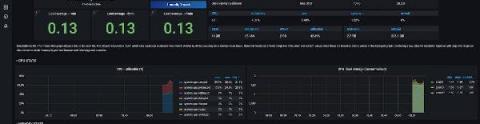
In our guide on the best Grafana dashboards examples, we wanted to show you some of the best ways you can use Grafana for a variety of different use cases across your organisation. Whether you are a software architect or a lead DevOps engineer, Grafana is used to make analysis and data visualisation far easier to conduct for busy engineering and technical teams throughout the world.
In this guide to the best Kibana dashboards examples around, we wanted to show you some of the most ingenious ways to use Kibana within your organisation to explore a wide range of ways that data and metrics can be centralised from every corner of your organisation.
Ask any analyst how they spend the majority of their work day and they’ll tell you: Performing remedial tasks that provide no analytics value. 92% of data workers report that their time is being siphoned away performing operational tasks outside of their roles. Data teams waste an inordinate amount of time maintaining the delicate data-to-dashboards pipelines they’ve created, leaving only 50% of their time to actually analyze data.
For more than 20 years, dashboards served as a foundational element of business intelligence, helping leaders visualize and share valuable data across their organization. At inception, dashboards were the perfect vehicle for delivering key report KPIs without data workers needing a background in coding or IT. But much has changed over the last two decades, including the appetite and needs of your business users.