Systems | Development | Analytics | API | Testing

Ultimate Dashboard Design Guide: Top Trends, Examples, & Best Practices

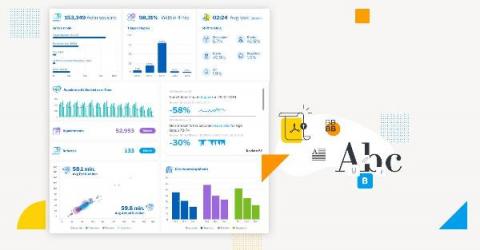
A well-designed dashboard can be the difference between decision-making at a glance — and getting lost in a sea of data. But with so many variables—users, data sources, visualizations, devices—it’s easy to end up with dashboard designs that look good but don’t deliver meaningful insights. This guide is your end-to-end playbook for creating dashboards that are not only beautiful, but also smart, scalable, and user-friendly.

The Fascinating History of Data Visualization: From Basic Maps to BI

Data visualization is an elementary component of human learning and understanding. It's also a significant capability of business intelligence (BI) and analytics solutions today. So, how did data visualization first come to be? The humble origins and gradual evolution of data visualization tools has led to an interesting timeline.

Top 10 Essential Types of Data Visualization of 2025: From Basic to Advanced

Data visualization helps people comprehend and attain insight into big data. It represents complex data in visually interesting ways that assist in our understanding, and paves the way for a greater link between the provided raw data, and our overall engagement with it. Nowadays, we accumulate data in ever-increasing sizes. We need an intelligent way to understand vast volumes of information. In analytics, we often use different types of data visualization tools to convey complex data.

How Visual Dashboards Empower Safe and Simple Database Updates

Managing databases doesn't have to be complex. Visual dashboards simplify database updates, making them safer and easier, even for non-technical users. Powered by tools like DreamFactory APIs, these dashboards provide secure, user-friendly interfaces for tasks like updating records, managing schemas, and exploring data - all without direct database access.

How to Display Charts on a Dashboard Like a Catalog

Yellowfin provide extensive customization for the design of dashboard content so you can achieve the exact look and feel required for your unique business audience and use case. Out-of-the-box, our drag-and-drop design canvas (Yellowfin Canvas) and low-code, no-code user interface enables non-developers to easily access many handy features. However, sometimes, you may want to extend Yellowfin further, or control the design and layout of your dashboard in a more specific way.

How to Create a Dashboard in Yellowfin: Step-by-Step Guide

Welcome to the final entry in Yellowfin Japan’s long-running ‘How to?’ blog series! This series of blogs has aimed to to provide your team with a step-by-step guide of how to create your own Yellowfin dashboard, starting from the design and data transformation flow, all the way to creating rich data visualizations and using the right report filters.

How To Create A Grafana Dashboard For Keploy: Easy Step-By-Step Guide

In today’s fast-paced development environment, efficient monitoring and visualization of test results are essential for ensuring the quality of your application. Keploy, a zero-code testing tool, simplifies test generation and integration, but how do you effectively monitor and analyze the test data Keploy generates? This is where Grafana, a powerful open-source analytics and monitoring platform, comes into play.