


Systems | Development | Analytics | API | Testing

How to Extract Data from Fiserv Report Files and Write It to Excel

TL;DR: Fiserv platforms generate fixed-width.rpt files where every field sits at an exact character position. Astera ReportMiner maps those positions through a visual template editor, extracts the data, validates it against your business rules, and writes it directly to Excel, CSV, or 200+ other destinations. One template handles every future instance of the same report type, and the full pipeline runs unattended on a schedule.
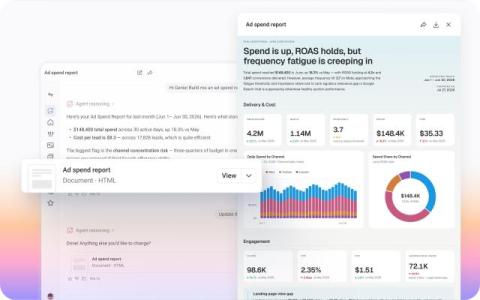
New: Turn conversations with your AI Analyst into a polished report

Getting an answer from your data has never been faster. Turning that answer into something you can share still takes hours. Genie, our AI Analyst, made it possible for anyone to answer questions about performance. Ask “Why did conversions drop last month?” or “Which marketing channels drove the most pipeline?” and you’ll get a clear answer in seconds, with the charts to back it up. But some answers are worth more than a reply in a chat.

10 Best Accounts Payable Automation Software (2026)

Every AP team eventually asks the same question: not whether to automate - as PYMNTS reports, 78% of CFOs now see AI as central to accounts payable - but which platform actually fits their ERP, invoice volume, and team. We compared 10 AI-powered AP automation platforms on capability, integrations, and real user ratings, so you can skip the demo marathon and go straight to a shortlist.

Self-Healing Data Pipelines: The Complete Guide to How AI Agents Fix Failures Automatically

Data engineers spend a median of 44% of their time firefighting pipeline failures instead of building new features. When a schema change breaks downstream workflows or data quality issues cascade through systems, traditional pipelines require manual debugging that can take hours or even days to resolve. Self-healing data pipelines powered by AI agents are changing this reality by autonomously detecting failures, diagnosing root causes, and executing repairs without human intervention.

Agentic Data Integration, Explained: From Static Pipelines to Autonomous Data Flows

Your data team got paged at 3 AM. Again. A schema change in your CRM broke the downstream pipeline, analytics dashboards are showing stale data, and the executive team needs accurate numbers for tomorrow's board meeting. This scenario plays out daily at organizations worldwide. It explains why data engineers spend 44% of their time on pipeline maintenance rather than building new capabilities. Agentic data integration represents a fundamental shift from reactive firefighting to proactive autonomy.

Schema Drift: Why It Breaks Pipelines and How AI Agents Fix It Automatically

Your data pipeline worked fine yesterday. Today, a source system added three new columns to a critical table, and now your entire analytics workflow is broken. This scenario, known as schema drift, is one of the most frustrating challenges data teams face when managing their data pipeline infrastructure. The good news? AI agents can now detect and resolve these issues automatically, eliminating the 3 AM fire drills that have plagued data engineers for years.

Meetup - AI Lakehouse

Watch deep-dive presentations and live demos from industry experts as they unpack next-generation data frameworks built from the ground up for multimodal AI, autonomous data agents, and cross-cloud architectures. Key Technical Highlights Inside: AI Lakehouse Meetup - Bay Area 15th July 2026 Cloudera SanJose Office A must-watch technical guide for data engineers, platform architects, and MLOps teams!

9 Best Agentic AI Data Quality Tools in 2026

Bad data doesn't announce itself. It flows silently through your data pipeline, lands in your dashboards, and feeds your AI models until someone downstream notices the numbers don't add up. By then, the damage is done: a flawed forecast, a miscalibrated model, a compliance gap you didn't see coming. For data engineers and analytics managers, this is a significant operational risk.

Agentic Data Management: What It Is and Which Tools Deliver It

Data engineering teams often spend a substantial portion of their time maintaining pipelines instead of building new data products, particularly as environments become more complex. Many organizations still struggle with stale, inconsistent, or low-quality data, leading to delayed or less reliable decision-making. Traditional data management tools alert you to problems but leave the fixing to human hands.