Systems | Development | Analytics | API | Testing

Data Driven Marketing: Small Businesses' Ticket to the Top

According to the U.S. Small Business Administration’s Office of Advocacy, small businesses account for approximately 99.9% of all businesses. That’s a massive chunk of the U.S. economy. While they are high in number, the issues they face are relatively higher, too. Nearly 35% of small business owners report ‌that they aren’t generating any profits, with inflation being the biggest of their worries.

Eckerson Report: Data Observability for Modern Digital Enterprises

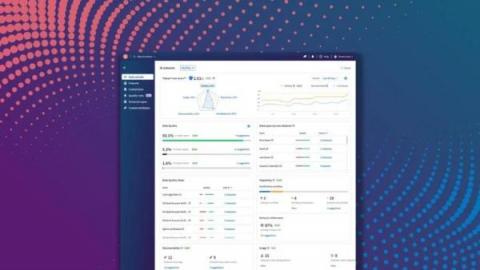
This Eckerson Group report gives you a good understanding of how the Unravel platform addresses multiple categories of data observability—application/pipeline performance, cluster/platform performance, data quality, and, most significant, FinOps cost governance—with automation and AI-driven recommendations.

Top 5 analytics and data engineer skills you should know in 2023

Analytics engineer is the latest role that combines the technical skills of a data engineer with the business knowledge of a data analyst. They are typically coding in SQL, building dbt data models, and automating data pipelines. You could say they own the steps between data ingestion and orchestration. Whether you are a seasoned analytics engineer or new to the field, it’s important to continually learn new things and improve the work you’ve already done.

Data Integration & Modeling: The Unsung Heroes of the Marketing Data Stack?

Marketing data integration is the process of combining marketing data from different sources to create a unified and consistent view. If you’re running marketing campaigns on multiple platforms—Facebook, Instagram, TikTok, email—you need marketing data integration. Why? Because being able to assimilate data from different channels and across multiple marketing touchpoints gives you visibility into the overall impact of a campaign, event, or another marketing effort.

Dynamic pricing strategy: 7 steps for successful implementation

From airline tickets going through the roof during holiday seasons to Uber and other ride-sharing services charging higher prices in rush hour, we have become accustomed to paying different prices for the same services. Traditionally, dynamic pricing was a tool reserved for industry giants like Amazon because of its implementation complexity and price tag.