Systems | Development | Analytics | API | Testing

How to Load Data From Facebook Ads to BigQuery (3 Proven Methods for 2026)

KEY TAKEAWAY Facebook Ads data drives your campaign decisions, but Ads Manager makes it hard to analyze that data at scale or combine it with other sources. Moving it into BigQuery fixes that. Once your ad data sits next to your CRM, product, and revenue numbers, reporting becomes faster and cheaper across all of it. There are three ways to get there: Automated ETL with Hevo: best if you want fresh data without the upkeep. Custom code: best if you have engineers who want full control.

A Common Data Plane Simplifies Hybrid Cloud and AI

Hybrid cloud was meant to simplify IT — but for many organizations, it has done the opposite. As data spreads across on-premises systems, multiple clouds and edge environments, complexity (not flexibility) has become the defining challenge. With AI initiatives now dependent on distributed, high-quality data, this complexity directly impacts performance, governance, and cost. The lack of a unified view and thereby management of data is the biggest issue spurred by complexity.

Fix Your Broken Test Data: Advancing Data Management & Automation | Full Webinar Series

You can keep pace with AI advancements, but only if your data does too. This compilation of the Perforce Delphix webinar series Fix Your Broken Test Data cuts straight to the strategies that help teams ship faster without putting privacy on the line.

JavaScript arrays: how they work and common methods

A JavaScript array allows us to group related data like product names, user IDs, log entries, cart items, or API results. Arrays play a vital role in all kinds of user functions, from shopping carts to game scores. However the sheer flexibility of JavaScript arrays can also cause mistakes around mutation, copying, sorting, and searching. Soo we’ve put together this post to show you.

The 8-12 Week PE Financial Data Foundation Framework

Post-acquisition financial integration is the process of unifying financial data from a newly-acquired portfolio company's ERP into the PE group's reporting layer — without forcing subsidiaries to replatform. The 8-12 Week PE Financial Data Foundation Framework is a sequenced implementation plan, structured across four phases, that takes a portfolio company from acquisition close to live, automated portfolio visibility.

The PE CFO Playbook: Your First 100 Days, Data-First

You close. The lenders want a covenant report in 45 days. Your finance team is running on spreadsheets, three ERPs, and a shared folder nobody has cleaned since 2019. This playbook is the week-by-week plan for exactly that moment — written for incoming CFOs, interim CFOs, and the Operating Partners who place them.

From 50 Spreadsheets to One Source of Truth

The acquisition closed on Friday. The new CFO walks in on Monday morning. Within 48 hours, the Operating Partner sends a message: when do we get the first financials? The CFO opens their laptop and starts counting. Six ERPs. Three different chart of accounts structures. Two businesses that still report in spreadsheets emailed to a shared inbox. One entity whose close cycle runs two weeks behind the others. This is not a failure of diligence or talent.

Validate Spring Boot Upgrades with Traffic Replay

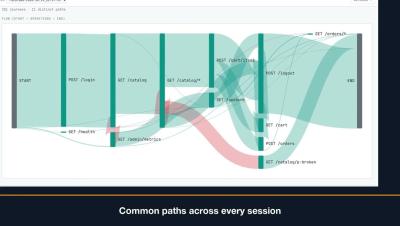
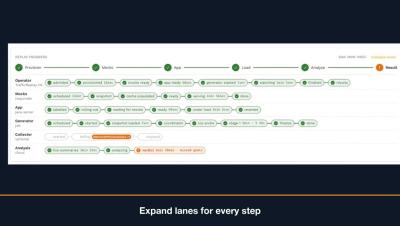
Spring Boot version upgrades—whether moving from 2.x to 3.x, 3.x to 4.x, or even minor bumps like 3.2.5 to 3.3.1—regularly introduce subtle, breaking changes that unit and integration tests miss. JSON serialization shifts, autoconfiguration reordering, and transitive dependency conflicts can silently alter your API contract.