Best Practices for Mobile Application Beta Testing
Developing an application is one thing. Developing an application that actually delivers an excellent end user experience is another.


Developing an application is one thing. Developing an application that actually delivers an excellent end user experience is another.
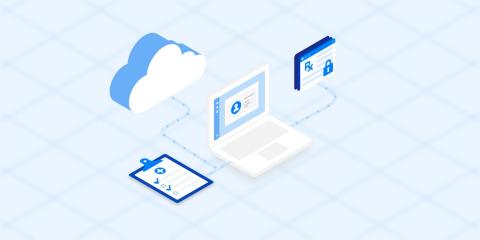
How to use a cloud data warehouse to achieve HIPPA compliance, reduce risk and offload some of the operational burden. How do you balance an accessible data warehouse with data protection and HIPAA Compliance? To get the most value from your data, it should be available to everyone in your organization who can benefit from the data analysis, insights and value it holds.
Enabling customers and users to quickly find the value within a product is critical for many organizations and at the heart of being a product manager. The approach to driving user growth involves a growth mindset, combining qualitative and quantitative research methods, and driving impactful solutions.
Hello Katalians! Time flies when you’re busy creating awesome products! Back in May, we delivered Katalon Studio 8 , which included features to provide better scalability options and a better user experience. And because we are not in the business of keeping you waiting for the latest and greatest, today, we are excited to announce the release of Katalon Studio 8.1 (KS8.1) .
Here at Kong, we’re advocates for architecting your application as a group of microservices . In this design style, individual services are responsible for handling one aspect of your application, and they communicate with other services within your network to share data. Systems like Kubernetes or the Kuma service mesh help orchestrate traffic and manage network policies so that your microservices can function together as a unified whole.
When I first started writing Ruby code professionally back in 2011, one of the things that impressed me the most about the language was its flexibility. It felt as though with Ruby, everything was possible. Compared to the rigidity of languages like C# and Java, Ruby programs almost seemed like they were alive. Consider how many incredible things you can do in a Ruby program. You can define and delete methods at will. You can call methods that don’t exist.
A hands-on article about how to get started with Kotlin Multiplatform Mobile by creating a cross-platform mobile app and running it via Bitrise.