Systems | Development | Analytics | API | Testing

The latest News and Information on Software Testing and related technologies.

Fluent Wait in Selenium: Guide and Examples

Waits are a big deal in Selenium. They help your tests stay in sync with dynamic pages, slow-loading elements, and unpredictable conditions. Fluent Wait in Selenium is one of the most powerful tools in your testing toolbox. It’s designed to handle the messiness of modern web apps where elements don’t show up on time and page behavior keeps changing. Unlike fixed waits or one-size-fits-all timeouts, Fluent Wait gives you control.

PHP Queuing With ZendHQ & JobQueue

The ZendHQ JobQueue is a language-agnostic solution for PHP queuing and job automation. Unlike traditional CRON setups, it centralizes job management and eliminates the need to dig through system logs. With support for deferred, recurring, and scheduled jobs, you can streamline tasks like generating invoices asynchronously. Get the full details in this webinar clip!

What is Test Analysis? A Simple (But Complete) Guide

Test analysis is the step where we translate ideas into testable checks. Think of test Analysis as a bridge from requirements to coverage. In this guide, we will keep it practical. We will show the steps in test analysis and how to apply them as well as sharing simple techniques for analyzing test results (with examples you can reuse). Let us dive in and make your work easier.

Explicit Wait in Selenium: How It Works (A Simple Guide)

Not all elements show up at once. Some need time to load. Some depend on JavaScript or AJAX calls before becoming available. That’s why smart wait strategies matter in test automation. Explicit Wait in Selenium gives you control. It waits for specific conditions to be true before your script moves forward. You can wait for a button to become clickable, a form to appear, or an alert to pop up. All without guessing how long it will take. In this article, we'll explore: Let’s get started.

Smarter Test Design starts here: Introducing AI Test Case Generation in Xray

QA teams are more critical than ever but also more pressed for time. With faster development cycles and growing complexity, testers must keep speed and quality in balance. Yet test case creation is still slow, manual, and repetitive - consuming time, introducing errors, and risking missed scenarios. It’s time for something better.

5 Reasons to Choose a Playwright Testing Agency

Let’s say your team just announced an exciting product update. In staging, everything appeared to work perfectly. But, before you know it, customers flooded into support to complain, the checkout button does not work on iPhones, the animations lag in Chrome, and half the workflows broke in your CI/CD pipeline. That success story quickly turns into a customer support disaster overnight. Here’s the hard truth: modern web applications are too complex to leave testing to chance.

What key factors to consider when choosing between open-source and commercial testing tools?

Community viability and integrations decide a lot when choosing between open source and commercial tools. Check whether the open source project’s community is large, active, and aligned with your use case. Verify that required integrations for your enterprise stack are supported. Consider long-term maintenance risk if a project is abandoned versus the sustained support and roadmap you get from a viable vendor.

Finding the Ghost in the Machine

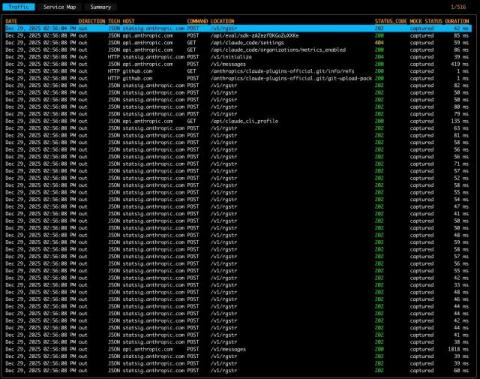
The industry is rapidly moving towards deeper AI integration than ever before. What was once simply focused on chatbots or recommendation engines has pivoted significantly to AI systems communicating with other AI systems. These AI tools are leveraging multi-agent workflows to accomplish complex tasks that traditional systems have struggled with. Innovation without validation is a liability. Any developer worth their salt will know that these systems require ample testability and validation.