Use Annotations to Explain Why Things Are Happening Directly In Your Dashboards
With Annotations in Databox, you can add performance insights directly to your dashboards. This way, everyone knows why things are happening.

A few years ago, we got an evaluation form from a prospective customer wanting to understand more about what we do. In the comments they wrote... “Please don't chase me down like those bastards at Sisense” That little nugget of gold told me a lot about the way our buyers want to purchase software - everyone hates talking to a salesperson too early. So we decided to turn our sales process on its head and put all of our technical evaluation content online.
Data scientists and engineers at the online data science education platform focus on attribution, customer lifetime value and the ideal customer profile.
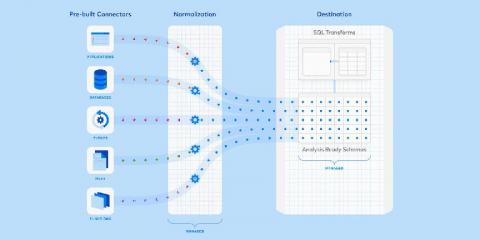
This is the introduction to the Fivetran Architecture Academy series, in which we discuss the technological principles underlying how Fivetran works. Fivetran is at the forefront of automated data integration. Specifically, we believe that extracting, loading and transforming data should be effortless and involve a minimum of human intervention. This is reflected in the design philosophy of our automated data pipeline.
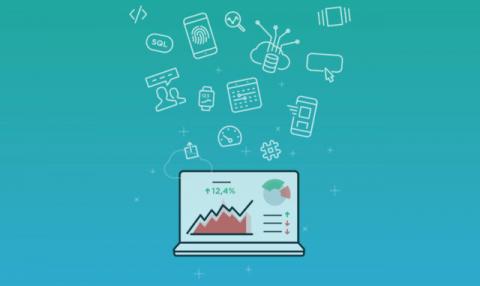
Make enterprise data more accurate, and instantly actionable, by adding automated data integration to your stack. Today’s enterprises and medium-sized companies are looking to ensure that critical business decisions are guided by rigorous data analysis. They have scaled up their analytics teams (composed of data engineers, data scientists and data analysts), and their IT departments have tried to meet the needs of those teams.