Systems | Development | Analytics | API | Testing

Perforce Helix Core Beginner's Guide: How to Create a Workspace

Workspaces allow you to sync files from the Helix Core server to your local machine so you can work on them. In this how-to video Jase Lindgren Perforce solutions engineer will guide you through the steps to creating and working with multiple workspaces as an individual user. This video is the second in our new beginner’s guide series for Helix Core.
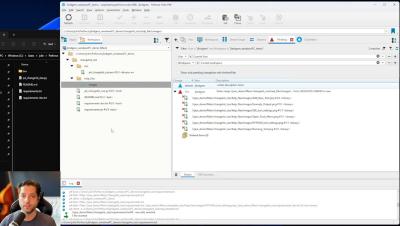
Perforce Helix Core Beginner's Guide: Submitting, Syncing, and Managing File Changes

This video covers some of the basic Helix Core operations like checking out files, submitting changes, and getting the latest revisions from collaborators. In this step-by-step walkthrough from solutions engineer Jase Lindgren, you’ll also learn what changelists are and how to manage them. This is the third video in our new beginner’s guide series for Helix Core.

Perforce Helix Core Beginner's Guide: Undoing Changes and Fixing Deleted Files

In this Perforce Helix Core / P4V beginner’s guide video, we will cover more advanced Helix Core operations like reverting changes, undoing submitted changes, fixing deleted files, and reconciling offline work. This is the fourth video in our new beginner’s guide series for Helix Core.
The LINQ Join Operator: A Complete Tutorial

I think most C# developers would agree that LINQ is an integral part of the experience of writing code with the language. LINQ provides a fluent, intuitive, and consistent way to query data sets. In this post, we’ll help in your LINQ-mastering quest by covering the LINQ join operator. We’ll start the post with a definition of LINQ itself, so we’re all on the same page. After that, you’ll see an explanation of join operations in LINQ.

How to Fix the "Variable Might Not Have Been Initialized" Error in Java

Variables in Java should always be initialized and assigned a value before use, otherwise you’ll get the Variable Might Not Have Been Initialized error. Imagine walking into a coffee shop and ordering your favorite latte. The barista nods, grabs a cup, and then just stares at it.

How to Fix "IndexError: List Assignment Index Out of Range" in Python

The IndexError: List Assignment Index Out of Range error occurs when you assign a value to an index that is beyond the valid range of indices in the list. As Python uses zero-based indexing, when you try to access an element at an index less than 0 or greater than or equal to the list’s length, you trigger this error. It’s not as complicated as it sounds. Think of it this way: you have a row of ten mailboxes, numbered from 0 to 9. These mailboxes represent the list in Python.

An Introduction to RuboCop for Ruby on Rails

Good code has a lot to do with how readable it is. As developers, we more often read code than write it. As my Perl teacher told us many times: the flexibility of Perl's syntax was its best and worst trait at the same time. Ruby's syntax was influenced partly by Perl and is also quite flexible. Whatever language you pick, set some guidelines to avoid overusing a language's flexibility. Style guides for Ruby abound on the web, and it's not difficult to pick a style nowadays.

Introducing Deployment Tracks in Choreo

As we continuously improve Choreo's capabilities, we're excited to introduce a significant new addition: Deployment Tracks. This empowers users to achieve backward-compatible API releases, ensuring a smoother experience for API publishers and API consumers alike. This transition will entail minor user interface (UI) changes in the Choreo console for your existing components.

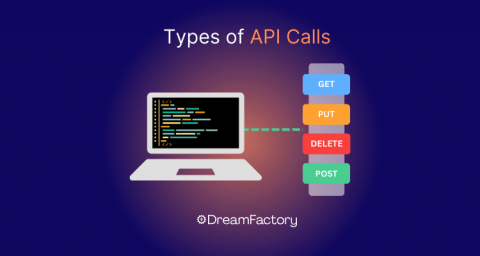
What are the Different Types of API Calls Developers Can Use?

API calls are requests made by one software application to another. There are various types of API calls. Different protocols and interfaces are available to designers who want applications to ‘talk’ to each other. In this guide, learn about the different types of API calls and how DreamFactory can improve API management in your organization. Here’s the key things to know about the different types of API Calls: Table of Contents.