Leading insurers are prioritizing claims process automation. Why? Because expenses related to preparing, processing, paying, and adjusting claims represent the most significant share of an insurer's operating costs. Even more than that, 87% of policyholders say the claims experience directly impacts their decision to stay with an insurance provider. But for many insurers, complex workflows, siloed data, and disparate systems have turned the claims process into a painful customer experience.
Testing asynchronous APIs (AsyncAPIs) is becoming increasingly important as more and more APIs adopt asynchronous communication patterns. ReadyAPI now supports testing of AsyncAPIs, making it an even better tool for API testing. In this blog post, we’ll provide step by step guidelines on how to import your AsyncAPIs from SwaggerHub into ReadyAPI and how to test them. Hopefully, this will help you get started with testing your own asynchronous APIs.
This is Part 5 of the Requirement Gathering Blog series by Rahul Parwal where we explore more on Dealing with Objections. We’d like to thank him for sharing his expertise with the community through this information-packed piece. When facing the issue of lacking proper documentation of requirements, it is important for testers to shift their perspective and focus on the needs and wants of the end-users or customers.
Sara Seylani, Solution Architect at Fivetran, reflects on the data, technology and espionage expert insights from Big Data and AI World 2023.
Fivetran partners with Databricks on their launch of Lakehouse for Manufacturing (L4M)
Mercari transformed marketing and sales with Google BigQuery and Flywheel Software by applying Machine Learning to user growth and sales growth.
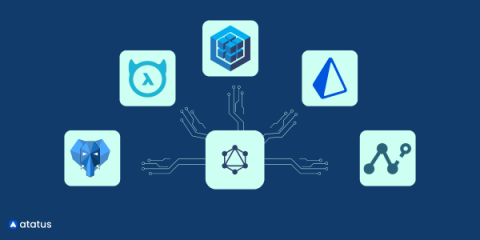
Developers often build high-performing, scalable applications using GraphQL and PostgreSQL to define data structure and achieve reliability, scalability, and high performance. First, however, selecting the appropriate framework to simplify and streamline the development process is crucial while building a GraphQL API with PostgreSQL. This blog will explore the top tools for building GraphQL APIs with PostgreSQL, including Hasura, Postgraphile, Prisma, and GraphQL Nexus.