
Systems | Development | Analytics | API | Testing

OctoPerf 18: Test as Code With K6, and Core Web Vitals for Playwright

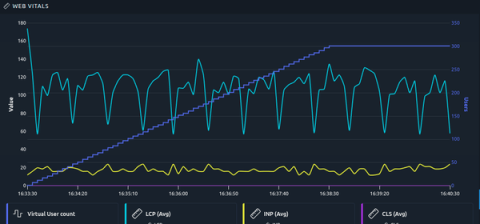
OctoPerf 18.0.0 is out! In version 17 we separated the injection engine from JMeter, and this release is where it starts to pay off: K6 is now available as a load engine next to JMeter and Playwright. Playwright Virtual Users also measure the Core Web Vitals of every page they open. K6 scripts are code, so they usually live in Git next to the application and get reviewed like it. With OctoPerf 18 you can run them without modifying them: This is why we did all that work in OctoPerf 17.

Migrating Gatling Simulations to OctoPerf With an AI Agent

Migrating a load testing project is rarely difficult, but it takes time and it's easy to give up halfway. That's why OctoPerf 18 comes with a Gatling migration playbook for AI agents. In our NeoLoad and LoadRunner walkthroughs, the projects were converted into JMeter Virtual Users. A Gatling simulation is code, so here it stays code: the agent rewrites it as a K6 script, and its injection profile becomes an OctoPerf scenario.

5 Questions to Ask Before the Next Cloud Outage

On October 20, a power failure in one of Google Cloud’s three London zones disrupted Revolut, Lloyds, HSBC and others for hours. One zone failed, errors spread region-wide, and Google warned customers they might not be able to create new workloads to fail over to. Most teams find out how resilient they are during an outage, not before one. These five questions let you find out first.

The Security Domino Effect: Why Trust Can't Be an Afterthought in AI

In interconnected software environments, a security vulnerability rarely exists in isolation. A weakness in one component can expose credentials, create unintended access paths, or give attackers a foothold in connected services. The consequences depend on what that component can access, the permissions it holds, and the safeguards around it. As organizations adopt cloud platforms, third-party integrations, and AI-powered development tools, the boundaries between systems matter more than ever.

Running K6 Scripts on OctoPerf

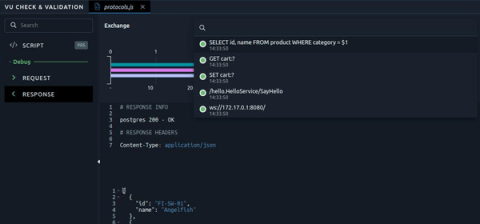
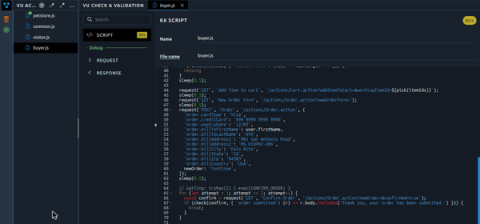
We just released OctoPerf 18 and its main addition is a new load testing engine: K6. You can now import your K6 scripts and run them without changing a single line, next to JMeter and Playwright Virtual Users, in the same scenarios and the same reports. In this blog post I import a K6 script that browses our public demo shop, validate it, run it and go through the results. The scripts can be downloaded if you want to follow along. I will finish with the things that work differently than with JMeter.

Modernizing Legacy Healthcare Systems: Risks, Strategies, and a Phased Roadmap (2026)

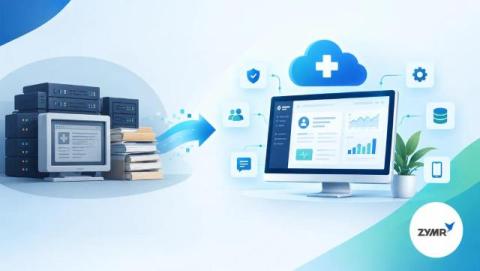
Healthcare legacy software modernization transforms aging clinical and operational systems into scalable, interoperable, and maintainable platforms. It addresses technical debt without compromising patient care, data integrity, or critical healthcare workflows. Legacy healthcare systems often remain deeply embedded across EHRs, billing, scheduling, diagnostics, integrations, and administrative processes. Replacing them in one step can introduce significant operational and financial risk.

Test AI-Generated Code with Real Traffic#aiagents #devops #observability #shiftleft #softwaretesting

AI can generate code in seconds, but testing it against real production behavior is where developers get stuck. Learn how capturing and replaying actual production traffic in development helps you catch bugs before you deploy!

Sergey Tokarev's Tokarev Foundation and SET University Announce Generation H Winners

Ukrainian university SET University and Sergey Tokarev's Tokarev Foundation have announced the winners of the third season of the Generation H healthtech accelerator. At the final, held on 10 September in Kyiv, the main prizes went to two medical technology startups: AtriaPRM and Enhance Your Ability. The former uses AI to automate doctors' work with medical documentation, while the latter is a platform for children who do not use spoken language.

React Native OTA updates: best practices for shipping safely

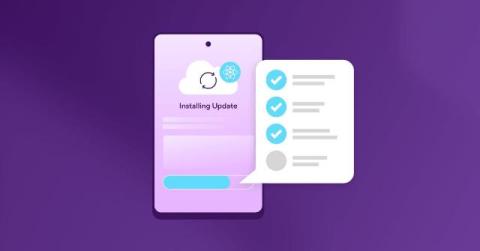
Over-the-air (OTA) updates let you fix a bug in your React Native app and get it to users the very same day, without waiting for App Store or Google Play review. That speed is why teams adopt OTA. It’s also where things can go wrong: push a JavaScript bundle to the wrong app version and a small bug becomes a crash.