Systems | Development | Analytics | API | Testing

The Next Enterprise Cloud Is Built for Small Software

The most useful piece of software we came across last quarter never left someone's laptop. An operations lead at one of our enterprise clients built herself an inventory reconciliation dashboard. No ticket, no sprint, no engineer involved. She described the workflow to an AI agent one evening and had something working by the next morning. A problem her team had been raising for over a year, solved by someone who has never written production code in her life.

How can AI agents reduce operational costs throughout the organization?

‍ Every CFO has looked at the headcount report and asked the same question. Why does it take twelve people and four tools to do something that feels, on paper, like it should take three? The honest answer is usually not laziness or bloat. It is a coordination tax. Someone has to read an email, decide what it means, open three other systems to check context, type a response, update a tracker, and notify two other teams. None of that is hard work.

Why AI Sovereignty Is an Operational Problem

AI sovereignty has become one of those phrases that sounds precise until someone asks what it actually means. For one federal agency, sovereignty means keeping sensitive data inside accredited boundaries. For another, it means running open-weight models in a FedRAMP-authorized private cloud. In defense and intelligence settings, it may mean operating inside an air-gapped environment at IL5 or IL6.

Angular 20 to 22 Migration: Why We Stopped Going Incremental

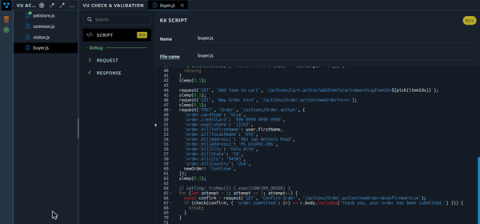
The OctoPerf web application is a large Angular workspace: 7,786 TypeScript files, around 381,000 lines of code, 1,166 components and 2,738 test files. We have just taken it from Angular 20 to Angular 22, deleted zone.js, and replaced Karma and Jasmine with Vitest. The interesting part of this story is not the version number. It is that we got the strategy wrong first. We spent months migrating the codebase component by component, drowned in manual regression testing, and still let bugs reach production.

Report Templates: Stop Rebuilding the Same Report After Every Load Test

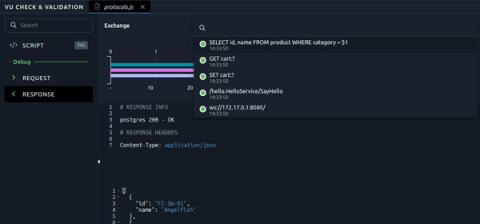
This is the sixth and final post in our "Features Sitting Idle" series, where we shine a light on OctoPerf features that are already in your account, ready to save you hours every week. It's a quiet but recurring friction. Teams that test regularly all end up with a preferred report layout. But in practice, that structure is often rebuilt manually after each run, or lost entirely when moving between projects.

AI Is Only as Good as Your Property Data: Preparing Data Foundations for AI Initiatives

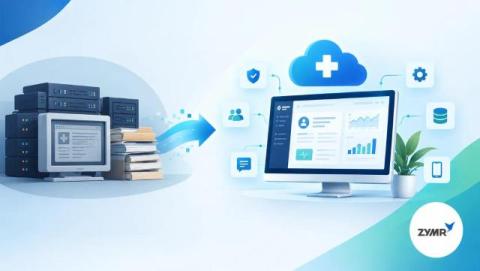
PropTech teams sometimes plan an AI initiative by starting with the wrong question. They ask which model to use before they can answer a more basic one: is our property data ready for any of it? AI pilots may stall not because the models underperform, but because the property data feeding them is fragmented across MLS feeds, PMS records, and CRM exports, duplicated across sources, and missing the ownership, tax, and location context a model needs to reason.

Real Rental Data & AI-Ready Infrastructure - With Jonas Bordo, Dwellsy | The Innovation Blueprint Podcast

For as long as there’s been a rental market, there’s been a version of this question: is the number on the listing actually the number? Ask anyone who’s built a pricing model, a forecasting tool, or a CPI estimate on top of rental data, and you’ll get the same answer — probably not, and there was never a good way to check.