BigQuery XAI in GA, Alphafold on Vertex AI, & more!
Here to bring you the latest news in the Cloud is Debi Cabrera.


Google Cloud has a genuine passion for solving technology problems that make a difference for our customers. With the release of our BigQuery Connector for SAP, we're taking a another big step towards solving a major challenge for SAP customers with a quick, easy, and inexpensive way to integrate SAP data with BigQuery, our serverless, highly scalable, and cost-effective multi cloud data warehouse designed for business agility.
Read any overview of how the finance and accounting function is changing, and you will notice several common themes. Three of the most important of these are: cloud migration, data standardization, and interoperability. The aim of technology in finance is to remove friction. With cloud migration that means making upgrades, licensing, procurement and maintenance simpler with software-as-a-service (SaaS) models.
Despite the challenges of the past two years, I’ve been speaking regularly on AI and the future of the human-machine relationship. Often I’ve done it thanks only to some of those machines, using remote tech that was previously seen as a gimmick, a convenience, or an annoyance. When pushed by a crisis, it’s remarkable what we can accomplish.
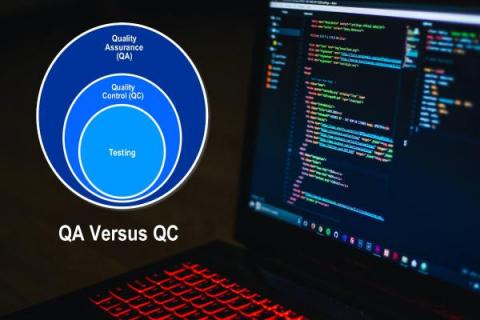
Quality Assurance (QA) is a typical process for ensuring that the end product of any Software Development Lifecycle (SDLC) corresponds to the overall and scope-agreed-upon objectives. Historically, quality assurance (QA) testing has been introduced rather late in the software development cycle. In a Waterfall process, for example, the software is created and then sent along to the QA team, which provides input and then sends the program back to the development team to be fixed.
Will your software perform well during peak hours? Can it handle the load during sales periods? Is your infrastructure valid if you double your sales by the end of the year? These are just some of the questions that scalability testing can help you answer. Scalability testing evaluates the activity level of your application by upscaling and downscaling the number of users.