Chose Both: Data Fabric and Data Lakehouse

A key part of business is the drive for continual improvement, to always do better. “Better” can mean different things to different organizations. It could be about offering better products, better services, or the same product or service for a better price or any number of things. Fundamentally, to be “better” requires ongoing analysis of the current state and comparison to the previous or next one. It sounds straightforward: you just need data and the means to analyze it.

Three dbt data modeling mistakes and how to fix them

When I first started my role as an analytics engineer, I was tasked with rewriting a bunch of data models that were written in the past by contractors. These models were taking over 24 hours to run and often failed to run at all. They were poorly thought out and contained a bunch of “quick fix” code rather than being designed with the entire flow of the model in mind.

Get to anomaly detection faster with Cloudera's Applied Machine Learning Prototypes

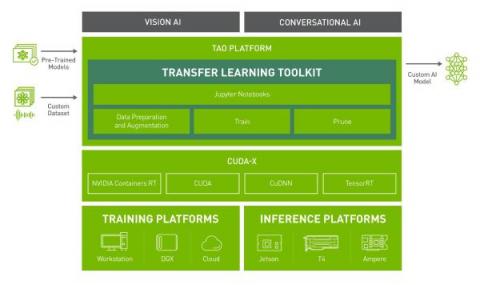
The Applied Machine Learning Prototype (AMP) for anomaly detection reduces implementation time by providing a reference model that you can build from. Built by Fast Forward Labs, and tested on AMD EYPC™ CPUs with Dell Technologies, this AMP enables data scientists across industries to truly practice predictive maintenance.

Why is Data Integration Important in a Data Management Process?

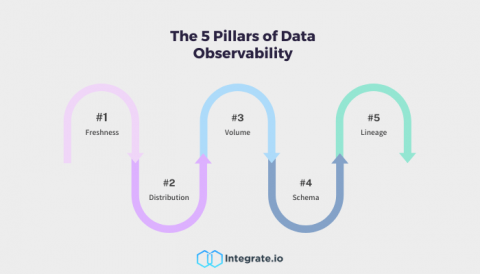
Our five key points: Your data management processes are only as effective as the quality of the data you collate. Gaining access to as much data as possible is vital if you want the business-critical insights that can set you apart from the crowd. For Ecommerce businesses, so many of the resources you use are online, such as cloud-based SaaS, ERPs, or CRMs. Integrate.io explains why data integration is such a big part of data management for Ecommerce and the benefits of an intuitive ETL and ELT tool.

Flex your FitBit stats using OAuth 2 authentication and Talend

We’re back with another Job of the Week – but this time, we’re taking a step back to cover a concept we’ve skipped over in previous segments: OAuth2 authentication. Richard’s demonstrations often show simpler shortcuts to accessing data – but these shortcuts may not always be practical in real-world examples. Never fear! We’ll arm you with the know-how you need to make your data hacks just as impressive in real life.

The Modern Data Lakehouse: An Architectural Innovation

Imagine having self-service access to all business data, anywhere it may be, and being able to explore it all at once. Imagine quickly answering burning business questions nearly instantly, without waiting for data to be found, shared, and ingested. Imagine independently discovering rich new business insights from both structured and unstructured data working together, without having to beg for data sets to be made available.

Blending Data in the Data Warehouse

This is a guest post with exclusive content by Bill Inmon. Bill Inmon “is an American computer scientist, recognized by many as the father of the data warehouse. Inmon wrote the first book, first magazine column, held the first conference, and was the first to offer classes in data warehousing.” -Wikipedia. Our key points: One of the characteristics of most computing and analytical environments is that the environment consists of only one type of data.