What Is Data Observability in a Data Pipeline?

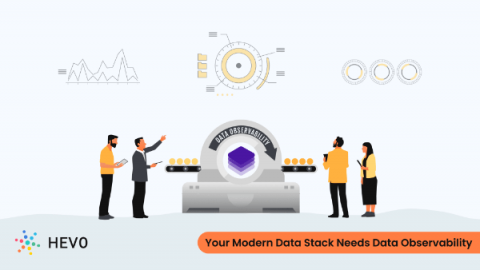
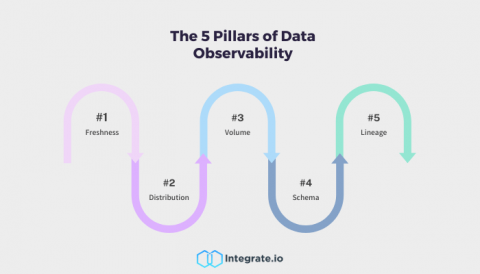
The five things you need to know about data observability in a data pipeline are: Becoming a data-driven organization is a vital goal for businesses of all sizes and industries—but this is easier said than done. Too many companies fail to attain the fundamental principle of data observability: knowing the existence and status of all the enterprise data at their fingertips.


The Power & Importance Of Developing A Data Mesh Architecture.

More than ever, data platforms are becoming direct drivers of revenue. In this interview, host Ryan Green talks with Shane Murray, Field CTO at Monte Carlo, and Vishal Shah, Data Architect Manager at Pitney Bowes, about the importance of democratizing data, accountability, and fostering a self-service data mindset.

Optimizing the Energy Sector with Data Analytics

Across the energy supply chain from generation to consumer, we can see that the trend toward investing in renewable energy has picked up pace as demand has grown for energy companies to actively pursue investments in energies with little or no environmental impact in the quest for decarbonisation. McKinsey estimates that by 2035, 50% of energy will be wind and solar.

G2 Winter Reports: Keboola Strikes Gold in 5 Categories

After another round of G2 awards, Keboola is shining brighter than ever. This season, Keboola struck gold where it really counts: in customer service and satisfaction. With a world-class platform, we provide our users with the product and user experience they need to excel in their industry. Here’s a breakdown of the G2 awards featuring Keboola.

Data 'Poka-Yoking' With Data Observability for the Modern Data Stack

While in the past, businesses used data to gain an edge over their rivals, in today’s competitive environment, data is imperative to stay in business. Modern businesses rely increasingly on data to manage all aspects of their operations, from everyday workflows to impacts on business strategy and customer interactions. As a result, data stacks have become extremely complex.