Systems | Development | Analytics | API | Testing

Helix Core Cloud: All the Updates and New Features to Know

In this webinar, Brent Schiestl, Senior Director of Product Management at Perforce Software, will walk you through new Helix Core Cloud features and updates, including:∙ How Helix Core Cloud works – including which configurations are handled by Perforce.∙ Much-anticipated updates, like multi-region support and expanded storage (up to 32TiB).∙ A preview of what’s up next on the Helix Core Cloud roadmap.∙ How to subscribe, add and remove seats, and start versioning in the tool today.

Software Factories vs. Citizen Development for Government Software Innovation

In the fast-paced world of government software development, efficiency and effectiveness are paramount. One way government organizations enhance agility, foster innovation, and optimize resources in the public sector is through citizen development—the practice of allowing non-technical employees to create their own software applications using low-code or no-code platforms.

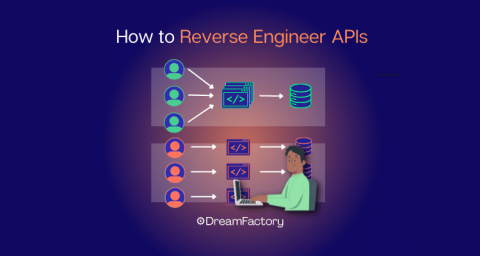
How to Reverse Engineer APIs: The Benefits and Tools

Interoperability is one of the main reasons to reverse engineer APIs. Unlike a few decades ago, when software could exist in isolation, nowadays, a program runs on a complicated operating system and involves communication with several libraries created by different people. Reverse engineering APIs for interoperability involves API integration and learning new ways in which programs can exchange and use information.

How to Catch Multiple Exceptions in Java

Your Java code was humming along smoothly until... BAM! An exception. No problem, you caught it. But wait, there's another. And another. Suddenly, you're juggling exceptions like you’re in the circus. Don't worry, Java's got your back. Java offers three ways to catch multiple exceptions: using multiple catch blocks for different exception types, the multi-catch feature to handle multiple exceptions in a single block, and a catch-all block for general exception handling.

How to Monetize AI APIs: Choosing The Right Metric

Regarding charging for API usage, we usually gravitate towards charging per API call. While this can work for many use cases, it’s not optimal for everyone. This is where choosing the right metric to bill upon and finding a platform that supports it is crucial. In this blog, we will talk about choosing the right metric to bill upon and how to implement it in Moesif. Let’s begin by digging into what a billing metric is and how to decide which one is best to use with your AI APIs and services.

Using GraphQL API in Android

Since it was created by Facebook in 2012 and made publicly available in 2015, GarphQL has changed everything about how we fetch data from servers for our front-end apps. Most front-end clients typically use REST APIs to retrieve data from the server, this includes mobile apps for platforms like Android, iOS, and Flutter, as well as JavaScript frameworks like React, Angular, Vue, and Next. A huge advantage of GraphQL is that it enables front-end clients to request only the API they require.

How to Improve API Flexibility with Custom SQL Endpoints

DreamFactory's custom SQL endpoints let you create APIs that are tailored to your exact needs, making your data more flexible and powerful. In this article, we will show you how to set up these endpoints, provide practical examples, and explain how to connect endpoints to your external systems.

Build An App Like AT&T Smart Home Manager: Cost & Features

What’s the very first thing that crosses your mind when you hear ‘smart technology’? Well, we 100% agree with you. The way technology is making everything smart, the day is not far when we’ll be able to do everything with just a command. Don’t you agree? With that being said, it’s also not hidden anymore how technology is making our homes smarter and smarter every passing day.

Static Analysis 2024.2 Release Provides CI/CD Integration and Analysis Options for Modern Development

The latest release of Helix QAC and Klocwork features significant improvements to the static analysis tools, empowering development teams to shift left by fixing errors early, reducing development costs and releasing faster. Here, we provide an overview of the new features and functionality of the 2024.2 release.