We collect the latest Development, Anaytics, API & Testing news from around the globe and deliver it direct to your inbox. One email per week, no spam.
Managing complex data pipelines is a major challenge for data-driven organizations looking to accelerate analytics initiatives. While AI-powered, self-service BI platforms like ThoughtSpot can fully operationalize insights at scale by delivering visual data exploration and discovery, it still requires robust underlying data management. Now, that’s changing. Snowflake's new dynamic tables feature redefines how BI and analytics teams approach data transformation pipelines.
Artificial Intelligence (AI) is primed to reshape the way just about every business operates. Cloudera research projected that more than one third (36%) of organizations in the U.S. are in the early stages of exploring the potential for AI implementation. But even with its rise, AI is still a struggle for some enterprises. AI, and any analytics for that matter, are only as good as the data upon which they are based. And that’s where the rub is.
Snowflake has created an ecosystem where data is not just an asset but the backbone of innovation and operational efficiency. With regard to Snowflake, DreamFactory Software offers a robust platform for developing internal or private APIs that serve as crucial conduits for these data products. Our integration with Snowflake through dedicated connectors is transforming the way businesses access, analyze, and utilize their data.
Because human-machine interaction using natural language is now possible with large language models (LLMs), more data teams and developers can bring AI to their daily workflows.
In the realm of software development, choosing to stay with one vendor is the best choice for certain specific projects. However, sometimes you might need to switch for financial reasons, the need for advanced technical skills, or to update your technology stack. When this happens, managing a smooth transition is key to maintaining continuity and quality. So, what’s the best way to handle it?
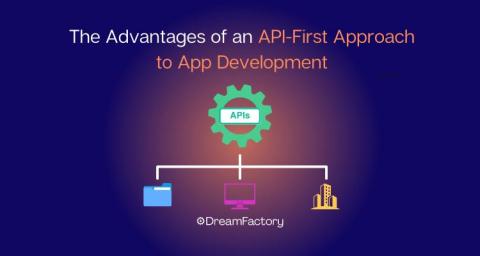
Jeremy H - March 4, 2024 API-first development prioritizes designing and building application programming interfaces (APIs) before any other components of the application. This approach ensures that APIs, which allow different software systems to communicate, are central to the development process.
In JMeter, generating dynamic IDs that can be used in subsequent steps of your test plan is a common requirement, especially when testing applications that require unique identifiers for transactions or user sessions. Here are several methods to generate and use dynamic IDs in JMeter.
Core Data enables us to manage the model layer of an Apple application. This layer is a crucial part of our app’s engine room, allowing the pretty bits at the front end to interact with the data and business logic at the back. We love Core Data because it provides a powerful database technology framework, and it’s built on top of the SQLite management system, which requires zero configuration or external storage space.