Introducing Data Observability from Integrate.io
Integrate.io's Data Observability allows you to enjoy total peace of mind with custom pipeline alerts to monitor your data in real-time.


Scania is at the forefront of a more autonomous, connected, electric future for the transportation industry. Find out why its Head of Data and Information Management uses data mesh—and Snowflake—to make it a reality. Scania is a global truck, bus, and industrial engine manufacturer and offers an extensive range of related services so its customers can focus on their core business.
Data, data, data. It does seem we are not only surrounded by talk about data, but by the actual data itself. We are collecting data from every nook and cranny of the universe (literally!). IoT devices in every industry; geolocation information on our phones, watches, cars, and every other mobile device; every website or app we access—all are collecting data. In order to derive value from this avalanche of data, we have to get more agile when it comes to preparing the data for consumption.
With inflation and other disruptive market dynamics massively impacting consumer behavior, is it any surprise that personalization tops the list of strategic actions for CMOs in 2023? Yep, people tend to stick around when digital products and experiences fulfill their personal needs quickly and accurately. And topping the list of powerful tools for personalization? Machine learning and AI, of course, from product recommendations to targeted offers based on digital customer and behavioral data.
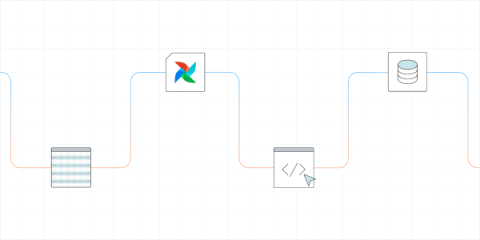
A new Fivetran Airflow provider developed by Astronomer allows data engineers to run Fivetran data syncs more efficiently in Airflow 2.2+
We’ve established that we’re living in the defining decade of data. Data underpins the seismic technology shifts of the past few years, transforming the way we buy, work, make business decisions, even value our companies. As ThoughtSpot’s co-founder Ajeet Singh said, “Once in a generation, the opportunities to create a legacy increase massively. It happens when truly tectonic shifts happen in the ecosystem. We’re living through one of those times.”