A Kubernetes deployment succeeds, but the application starts returning errors. CPU utilization looks normal, yet response times climb. An autoscaler adds capacity without improving performance, and the on-call engineer spends the next hour moving between dashboards, deployment histories, logs, and configuration files. The difficulty is rarely a lack of monitoring data. It is determining which signals matter, how they relate, and what action will restore service without introducing another failure.
The form says thank you. The sales team never sees the lead. Somewhere between WordPress and the customer management system, the information has stopped moving, yet both products appear to be online. Connected tools create useful automation, but they also create a maintenance boundary that can be easy to miss. The website's job may continue after the visitor has left the page. That part of the process needs an owner as well.
Software delivery automation is moving beyond pipelines. CI/CD can compile code, run tests, build artifacts, and execute predefined deployment steps. AI agents add something different: the ability to interpret engineering work, gather context, choose what should happen next, respond to failed checks, coordinate tools, and continue working toward an outcome.
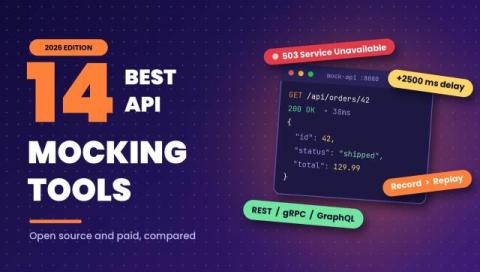
Your frontend is ready, but the backend endpoint it depends on ships next sprint. Your QA team wants to test a payment flow, but the third party sandbox is down again. Your CI pipeline fails twice a week because a staging database returned different data. All three problems have the same fix: an API mocking tool. API mocking tools let you simulate an API, or any dependency your service talks to, so you can build and test without waiting on the real thing. The hard part is picking one.
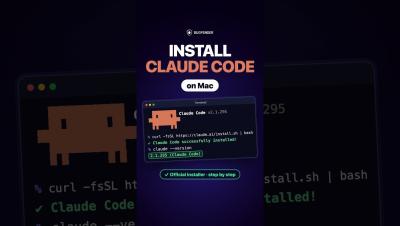
How to install Claude Code on Mac in under one minute using the official native installer. Claude Code is Anthropic’s AI coding assistant for Terminal. This tutorial follows the official setup process step by step: find the installer, open Terminal, complete the installation, verify the version and sign in.
LLM observability is the practice of collecting and analyzing data about how a language model application or AI agent behaves, including prompts, responses, tool calls, cost, speed, and errors, so teams can find problems, measure quality, and improve results. AI agents can now plan tasks, call tools, and work across business systems. That makes them powerful, and it also means a single request can involve many steps that no one sees directly.
Agentic AI security is the set of controls that keep AI agents from accessing, changing, or sharing more than they should. It covers who an agent acts for, which data and tools it can use, which actions need approval, and how its activity is recorded and reviewed. AI agents are moving from pilots into daily operations. They read invoices, update records, answer customers, and trigger workflows across business systems.
With Claude Dashboards entering beta, Anthropic is making it possible for people to ask quick, exploratory questions about their business data and get a dashboard back. You don't need to write SQL or build a visualization. I think that's a good thing. We've spent years trying to make analytics more accessible, and anything that shortens the path from question to answer is progress. I'm increasingly asked what the future of business intelligence looks like when AI can do more of the analysis for us.
A digital front door (DFD) connects patient-facing channels with clinical, administrative, and financial workflows. It supports appointment scheduling, registration, care navigation, and payments through integrated websites, applications, and messaging. In 2026, digital front door healthcare trends increasingly center on automating these connected workflows. Platforms such as Luma and Notable combine patient interactions with operational processes and electronic health record integration.