An enterprise data warehouse is critical to the long-term viability of your business.
Keep track of our data connector and dbt package releases with monthly updates.
In a perfect world, systems or automated tests would never fail – everything in software test reports would, literally, “go green.” And to add to the stress, failures don’t just always go our ways to fail for the same reason. There’s something different every time: bugs in the AUT, errors in the test case itself, or problems within the structure to cause timeouts during execution.
October is over and it’s time to share the newest updates to Loadero that were made during the month. We’ve been working on adding a WebRTC metrics table for a long time, and are very happy to announce that it is available in the results reports. This update makes it very easy to find out about some of the possible issues in video calls. While this might be the most important of the news, we got more stuff to let you improve your tests. Here is what we added to Loadero in October.
Changing the technology an organization works with is a bit like taking up a new sport. Your initial excitement leads you to buy the most expensive equipment you can find, leaving you soon to realize that your new tools have created a steep learning curve. Transitioning out of monolithic applications to microservices is quite similar.
In modern application architecture and development, there has been a push from monolithic applications towards microservices. This has made microservices frameworks (micro-frameworks) very popular since they make it easier to prototype, design and build microservices applications. Spring Boot and Quarkus are both very popular microservices frameworks for building cloud native Java applications.
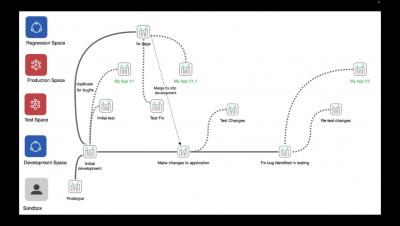
At its most basic level, DevOps—a combination of development and operations—refers to a set of practices that streamline application development at every stage, from building and testing to deploying and monitoring. DevOps largely aims to break down silos and improve collaboration for teams looking to increase agility without compromising on software quality. Unfortunately, traditional high-code methods of development present a few challenges to successful DevOps transformations.