How replicating SAP data benefits manufacturing organizations
Learn how to overcome the complexity of SAP systems to leverage centralized manufacturing data.


Learn how to overcome the complexity of SAP systems to leverage centralized manufacturing data.
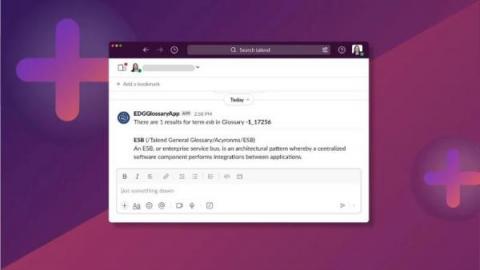
Have you ever been in a meeting and wondered how something is calculated? Or what another department’s acronym means? Or how that topic is actually defined? In some moments, you don’t need the data itself — you just need the definition of a data term. In that situation, you want the ability to look up a term in a business glossary (or data glossary) as quickly and simply as possible.
Are you looking to streamline your machine learning projects from start to finish? Look no further than MLflow! In this blog, we'll discuss how to use MLflow to manage the entire lifecycle of your ML project – from creating and training models to comparing results and deploying them.
Artificial intelligence (AI) and automation stand at the vanguard of the future of work. While it’s impossible to predict with certainty how things will change, a few current trends and stats provide a good sense of where the future of AI and automation will take us. As evidenced by the recent interest in generative AI, companies want to experiment with how to reap deep benefits from automation technology.
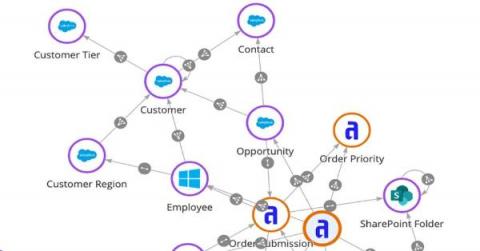
What can data fabric do for your organization and how does it differ from other data management approaches? This primer will get you up to speed on data fabric essentials and help you explain the basics of this top tech trend. What is a data fabric? A data fabric connects data sets across disparate software systems, whether they’re on-premises or in the cloud, and creates a complete view. It’s both a tool set and an unified architecture layer (also called a virtualized data layer).