In HeathTech apps, it’s often the case that you’re dealing with private or health-related data. This requires compliance with regulations, such as HIPAA in the United States. These regulations force you to handle sensitive data in a well-defined manner, so only specific people can read it, and if they do, it should be logged for later auditing.
A year of virtual meetings, homeschooling, and social distancing has taken a toll on all of us. According to a 2021 article from the Kaiser Family Foundation, around 40% of Americans have reported symptoms of depression and anxiety during the COVID-19 pandemic. Mental health providers worldwide are struggling to meet increased patient demand while navigating increased telehealth needs.
Healthcare information is perhaps the most important data in our lives. Your health records can contain your medical history, results of tests and scans, and details of current health insurance. This data is a special class of personally identifiable information, and HIPAA is the law that protects it.
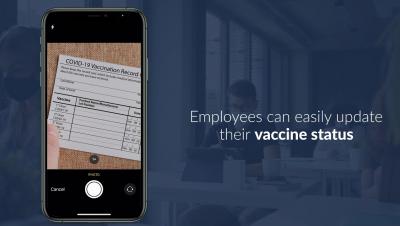
As COVID-19 vaccinations continue to roll out, organizations across industries prepare to return employees to the workplace. It’s a journey fraught with anxieties, uncertainty, and unknowns. In a recent poll of Appian webinar participants, a mere 17% reported that their companies feel fully prepared to reopen facilities, and only 51% said they felt even “somewhat” prepared. The good news is that a safe return to the workplace is not uncharted territory.
The Health Insurance Portability and Accountability Act, or HIPAA for short, is a set of laws around handling health-related data in information systems. It defines safeguards, which are rules you have to follow when handling health data for your customers. There are three safeguard categories: All three categories have to be handled correctly if you want your API to be HIPAA compliant. In a companion article we covered those key requirements and how to build HIPAA complaint API platforms.