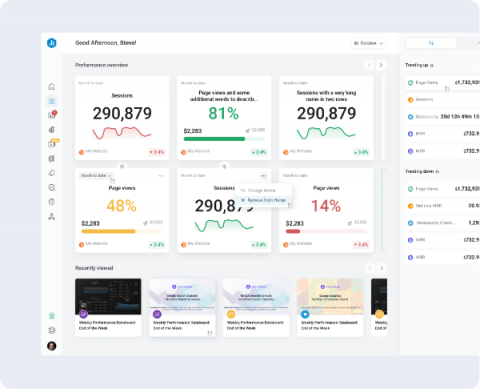
Coming Soon - Databox Performance Screen
Get quick access to the Metrics and Goals that matter to you the most.


Unwelcome … are platform instability, downtime, hardware failure, poor performance, cluster resource contention, repeated process failures, runaway live queries, critical services alarms, invisibility into alarm cacophony… the list goes on. If those are ailments you would like to remedy …
Export your billing data to BigQuery to keep track of your cloud costs
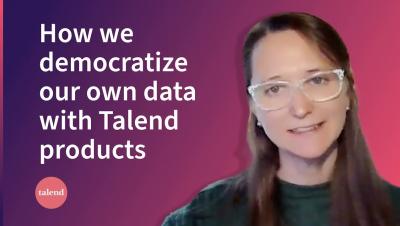
In a world where 2.5 quintillion bytes of data are created every day, it’s not surprising that organizations want to harness the power of being data-driven. In our 2022 Data Health Barometer, 99% of companies surveyed recognized that data is crucial for success — but 97% said they face challenges in using data effectively. Perhaps in response to those challenges, 65% of companies reported that they'd started a data literacy program.
Choosing one over the other can come down to a few key differences. Let’s take a look at both to help you make an informed decision.
In the article “From Data to Insights: An Introduction to Product Analytics”, we walk you through the basics of product analytics, providing you with a high-level approach to get started with it. This time, we’d like to dig in deeper to dissect every step of the product analytics process, assuming that the main goal is to improve user engagement and retention.