Developers test their code in chunks as it is written. Error monitoring during the development cycle alerts engineers when conflicts arise and helps them identify the root cause. So, you may wonder then, in the age of DevOps and continuous delivery, is end-to-end testing still needed? Not only is it viable, but it is also essential to validate requirements, configurations, and functionality.
How often do you face an issue with a service that doesn't work and you don’t know why? How often is it related to some external services, dependencies like a database, or queue mechanism you are using? Of course, you could check each service from time to time, and you could run some smoke tests against the service, but it will not give you an answer if “service is not working because the connection to MSSQL failed.”
In this article, you'll learn about the best Kubernetes performance monitoring tools that are currently on the market. Although there are a number of application performance monitoring solutions out there, this article covers the best options in terms of their key features, functionalities, ease of setup, and the support garnered from each of their respective communities.
In our previous blog posts covering our in-house Security Orchestration, Automation & Response (SOAR) application, we described the basic building blocks for the system and the steps we took to orchestrate interactions between a number of security tools. While building orchestration, we already introduced a significant amount of Automation powering features like threat intelligence collection and event polling.
Fixing mobile software errors is a collaborative effort. Errors and crashes will be identified throughout the software development lifecycle (SDLC) by QA, testers, customer support, or users themselves. Unfortunately, there is often a time lag and loss of information as these errors get routed to the programmers who can further triage and resolve.
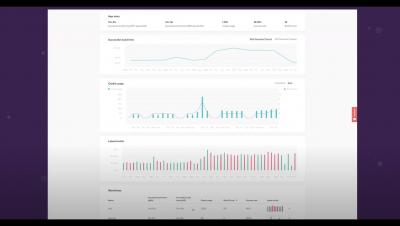
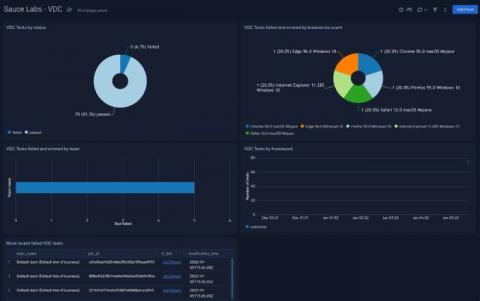
Sauce Labs is excited to announce a new integration with Sumo Logic, the Sauce Labs App! We first announced our partnership with Sumo Logic last year, and are now pleased to share the news of this integration, one that delivers standardized charts and tables to provide an overview of how certain tests and applications are running.